
Krystalli Glyniadakis: The Others
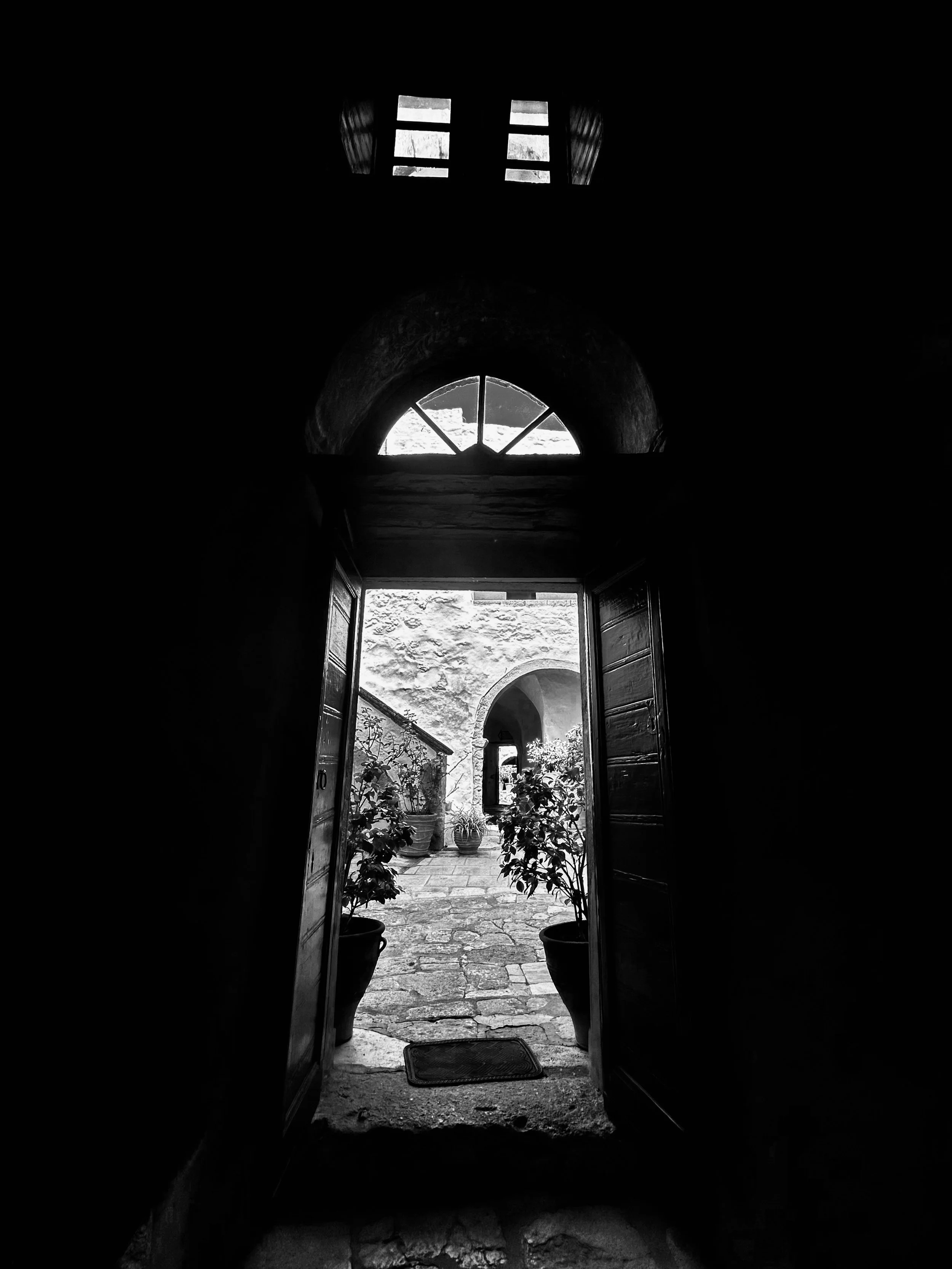
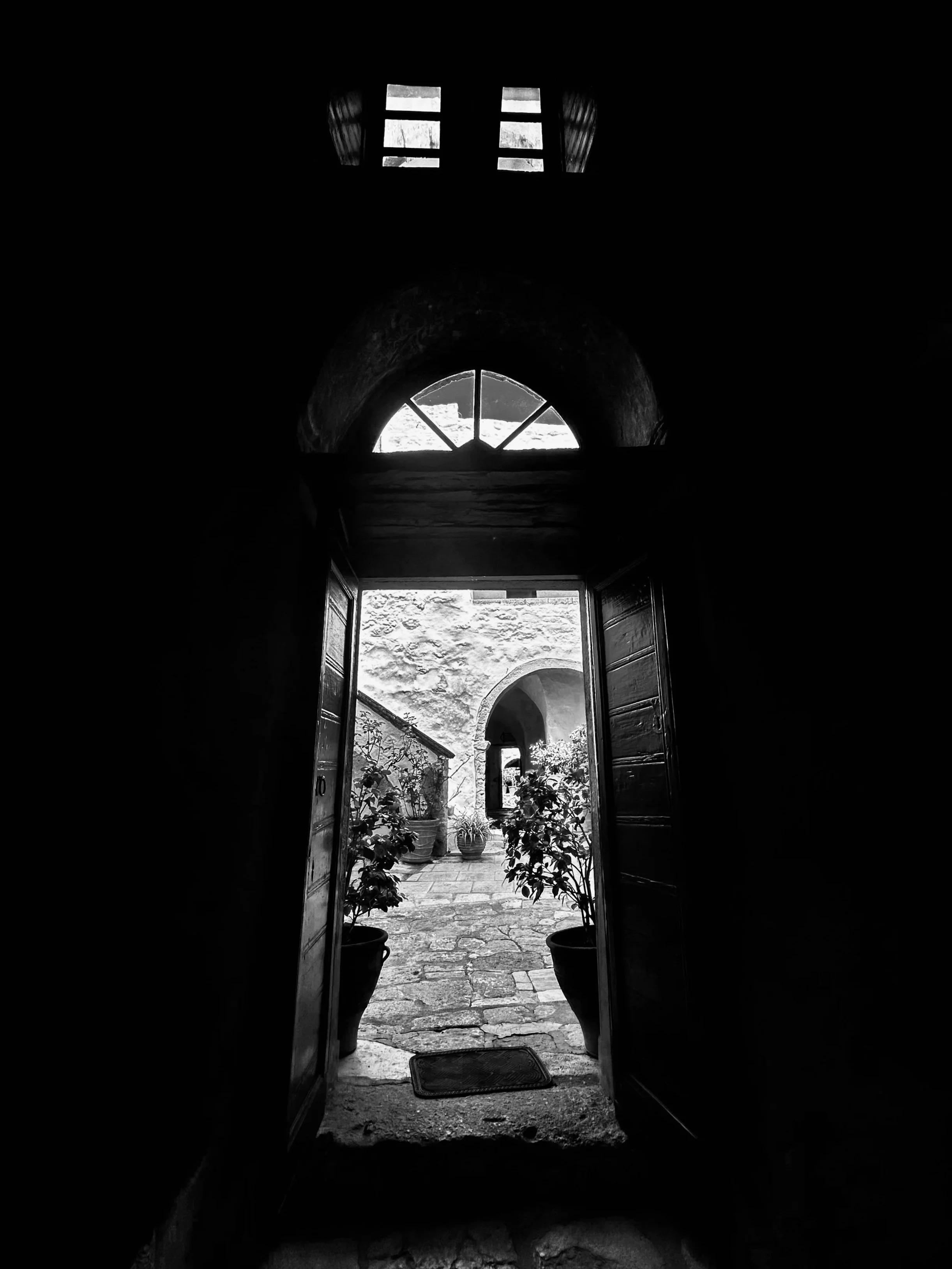
Photo: J Valente
Note: These two poems are by Krystalli Glyniadakis and translated from Greek by Krystalli Glyniadakis and George Fragopoulos.
Aleppo-Athens
A bird flies from one white balcony to another
in the morning light. Sunday in Athens,
mid-July. The bird will remain here
drinking up the sun and the dew;
bathing in the clear light. No one
drives it away, demands that it quickly leave behind
all it has, like the Syrians, persecuted
and banished on a day like this
with just a bundle of clothes, under
the shining sun and the fragrant smell of flowers,
as the sounds of tank tracks bloomed across Aleppo.
They left behind every childhood corner
where the played hide and seek, and every single beloved brick,
the smell of spring’s first dews, the fizzed soda pop
that tickled their tongues; the streets
they crossed to make it to their first love’s home,
the color of the asphalt and the cracks on the pavement
they knew by heart; the soccer matches on TV,
the shadowy corners, the gardens, the stores with the motley
curtains, the bus horns, the bad drivers, the blinds
they’d shut to keep out the sun and the commotion —
all to eventually arrive,
after smugglers and drownings,
to this country Ι am now abandoning because it abandoned me.
They found the same light here,
the same despair. We also shut the blinds
to keep out
the sun.
The Others
They say jails are built on the outskirts
of cities —much like brothels, cemeteries, and
psych wards— because they challenge society’s
conventions and norms. In Oslo,
Botsen prison is found amid houses
and gardens and verandas, train tracks.
Some might say Oslo is a small city
and these are but recent developments to its east:
where there was once but an industrial port
of concrete and dark ash (from the dormant volcano
beneath the city) now stands, imperious and new,
the Opera house, in front of hip offices
for multinational corporations.
In any case,
inside the prison there are computers,
desks, gym equipment, TVs, video games,
warm blankets. There’s also a man
who once left the city center in rubble,
with 8 dead, before rushing to meet
the warm summer air so as to graft sixty-nine
young lives to his white supremacist dream.
He is now studying politics, via correspondence classes,
with the very institution I am writing this from.
It’s a Saturday in August, 18 degrees Celsius. Everywhere
around me sit reassuring tomes; outside
the large windows of the new library,
it’s chilly and verdant.
And outside Botsen,
between the gardens, the verandas,
and the parks with views of the cells,
I saw two minarets the other day, still
in their concrete frames, but soon
to be covered in flamboyant tiles:
Arabic blue and turquoise,
reflecting light. They’re tall, very tall,
proud even, as they stand opposite the jail.
To the right, the concrete walls;
to the left, the turquoise tiles;
and all around, gardens and parks and life.
The Others don’t live far, at the edges of the city.
Nor do they walk within reassuring books.
They live among us, like the brothels and the cemeteries,
challenging society’s polished conventions.
Krystalli Glyniadakis was born in Athens in 1979. She is both an award-winning poet and translator. In 2018 she was awarded the Greek National Literature Prize (Poetry) and in 2025 the “Public” Book Award for Best Translation from a foreign language into Greek, for her translation of Jo Nesbø’s Kongen av Os. Her latest book, Ημέρες Καλοσύνης (Days of Kindness) was against shortlisted for the 2024 National Literature Prize. Her work often links the personal and the historical, and works within political and erotic contexts. It’s been translated into several languages, including English, Italian, Spanish, German, French, and Turkish. She studied philosophy, philosophy of religion, and political theory at the LSE and King’s College London, and Creative Writing at the University of East Anglia, all in the U.K. She holds a PhD in Media & Communications from Bournemouth University on the use of online interactive documentaries within historical narratives, especially ones dealing with collective trauma. She is a professional translator of Norwegian literature and writes opinion columns and art.