Mark Lamoureux: Wounded Angels
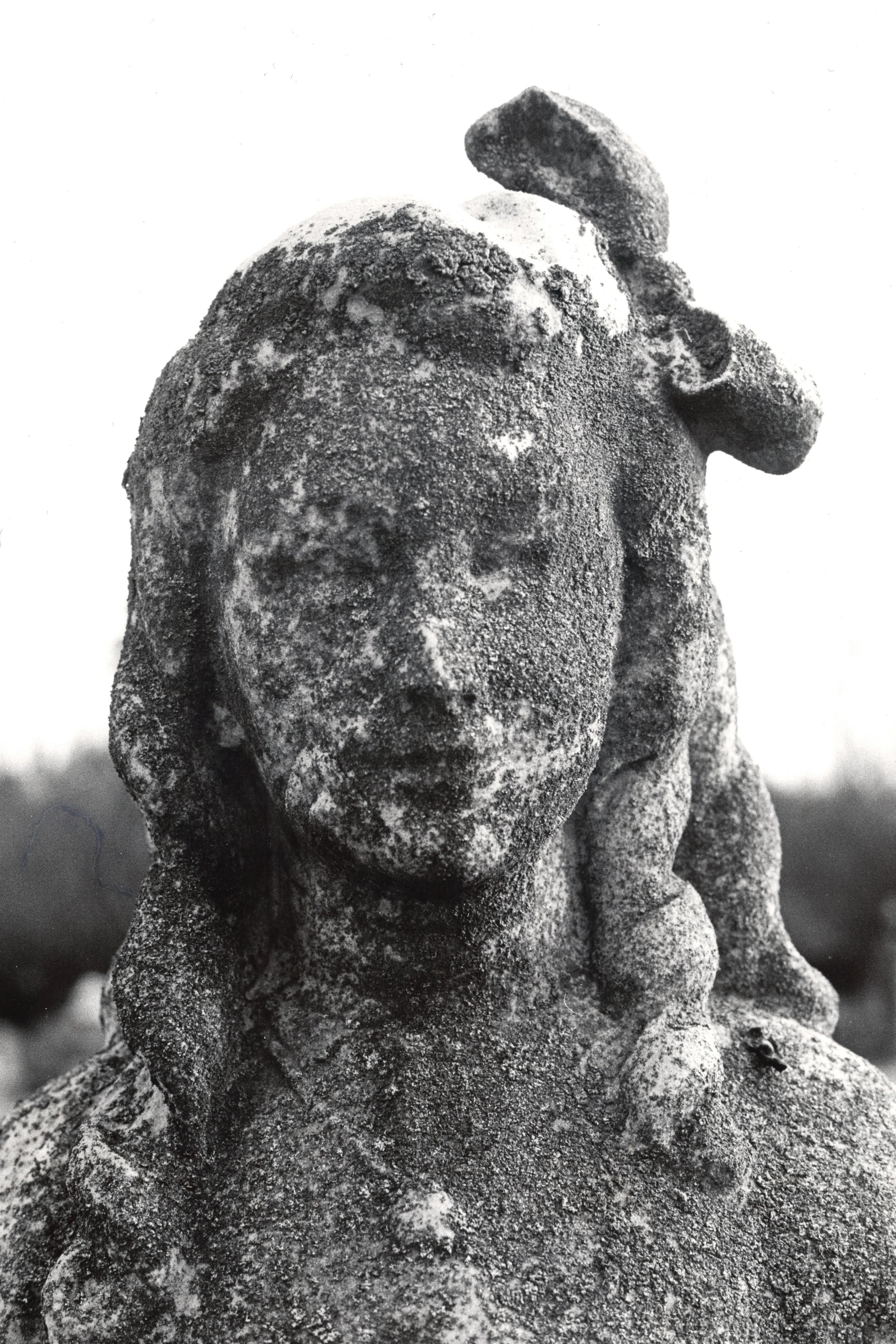
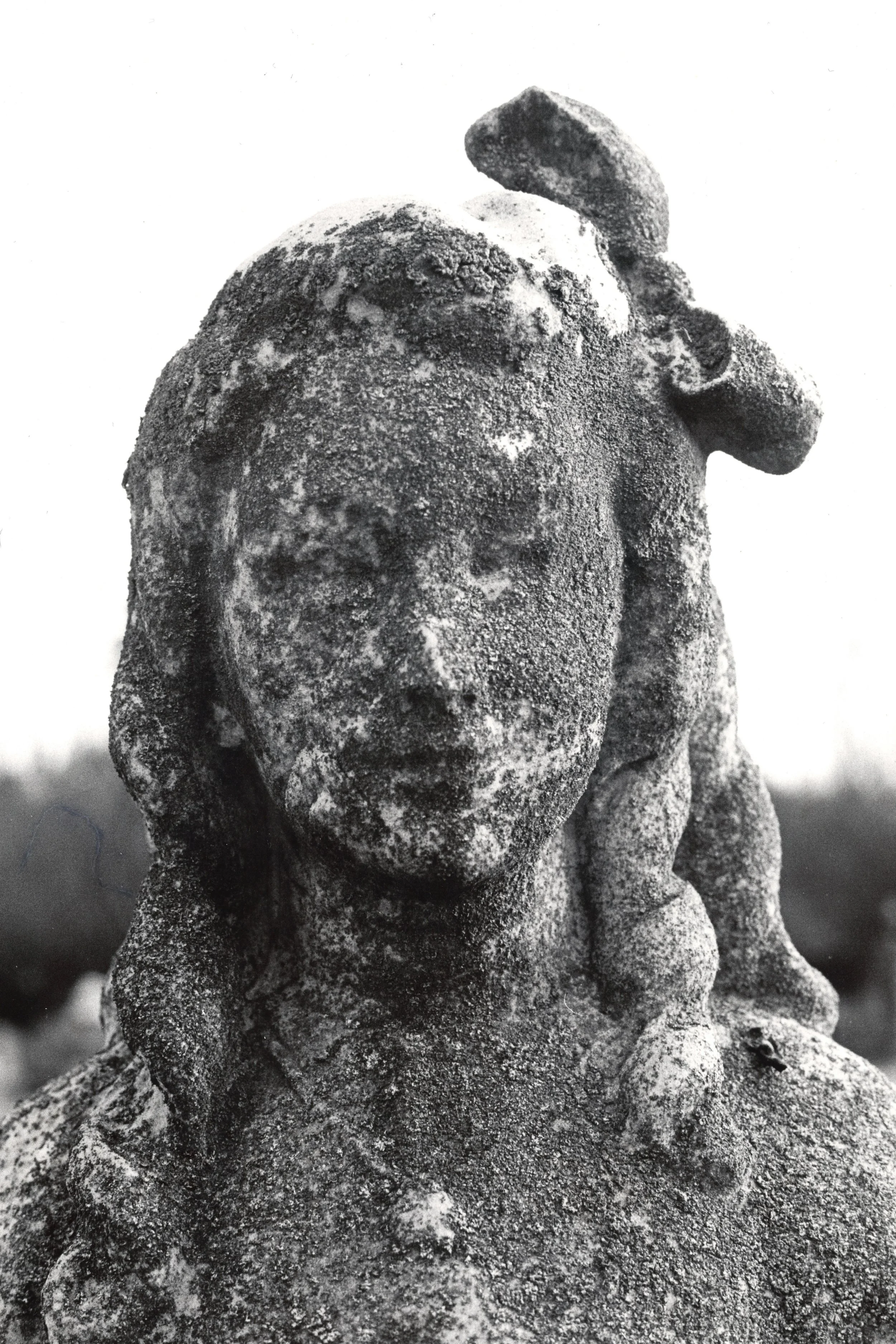
Photo: Mark Lamoureux
Wounded Angels: Cemetery Portraiture
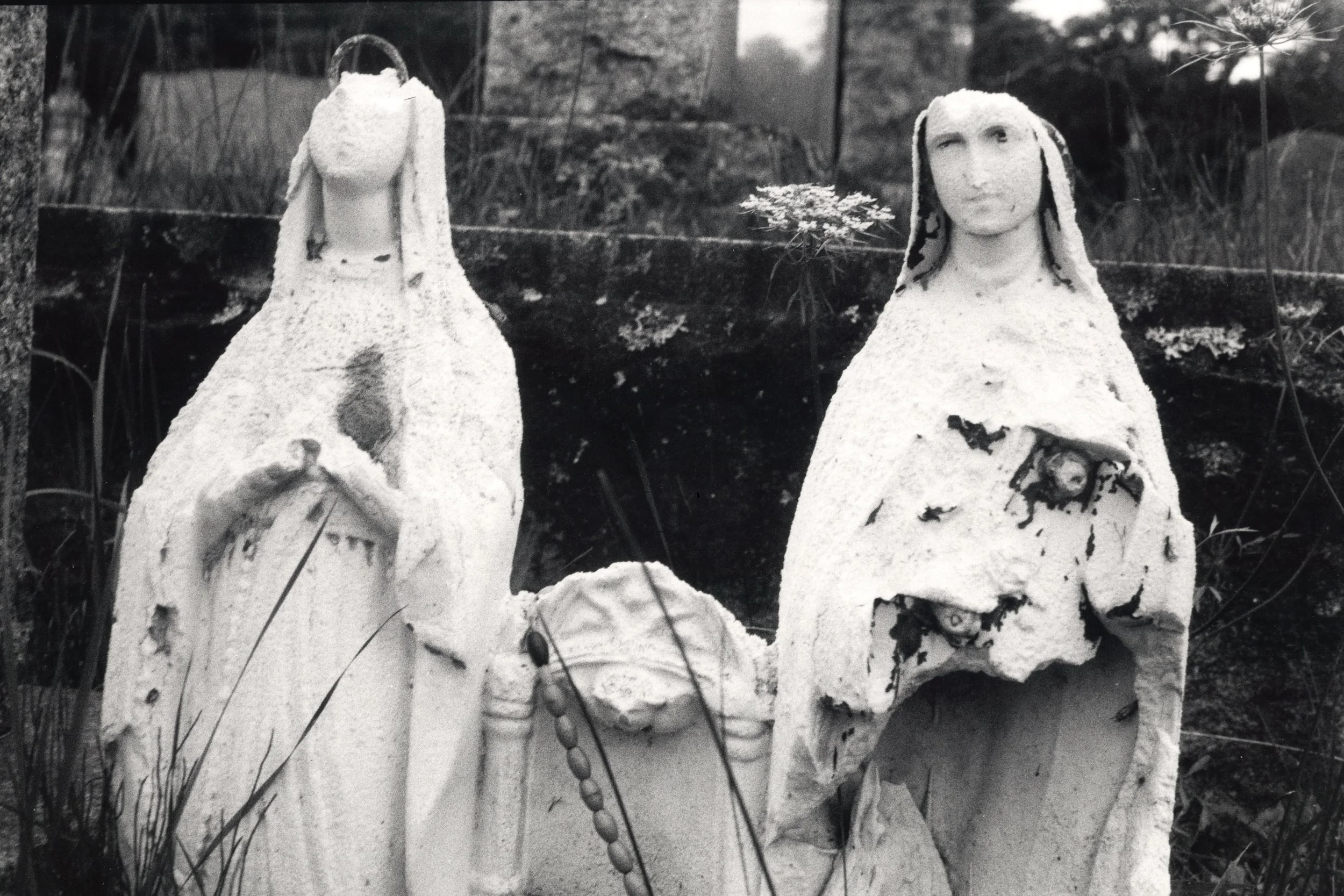
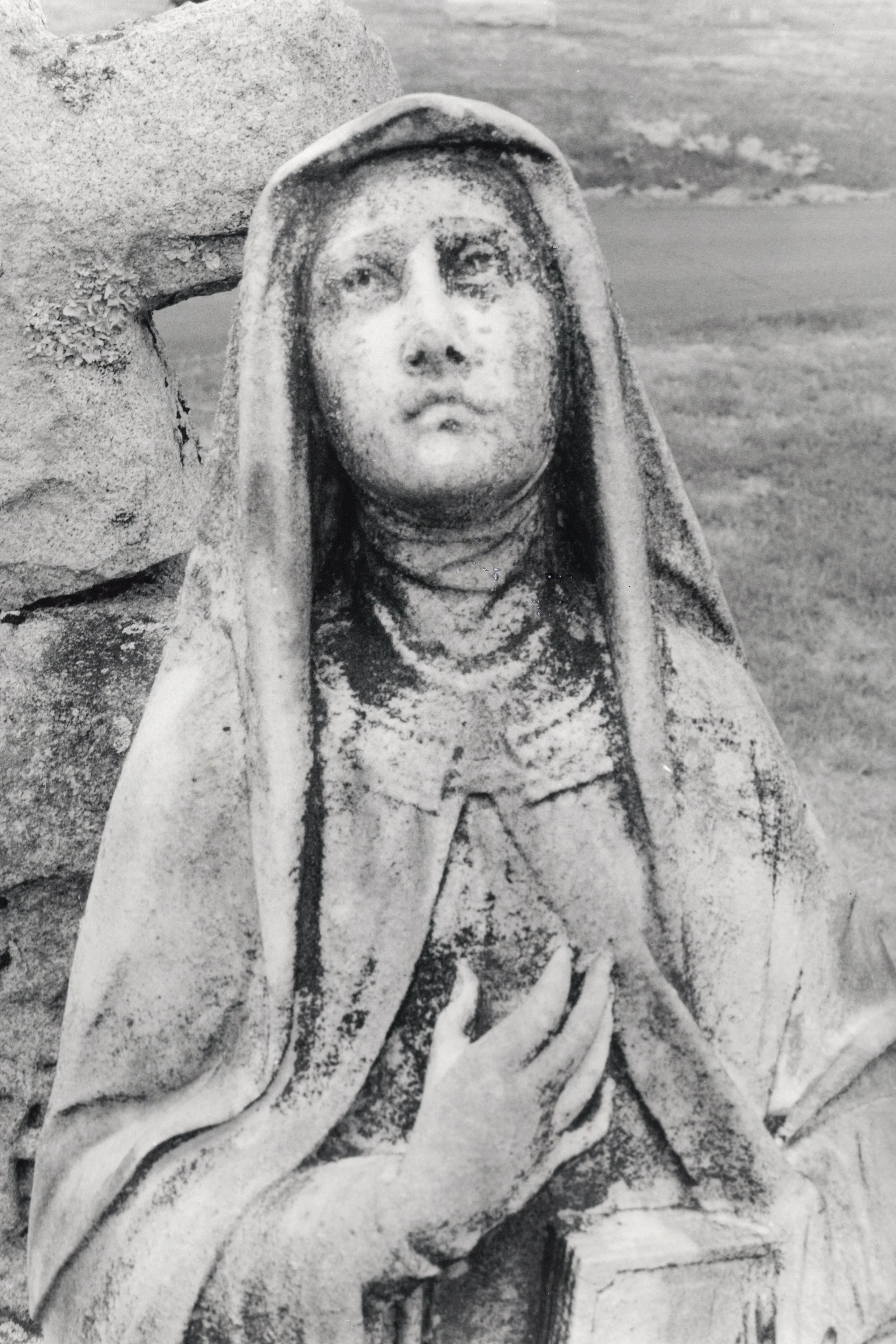
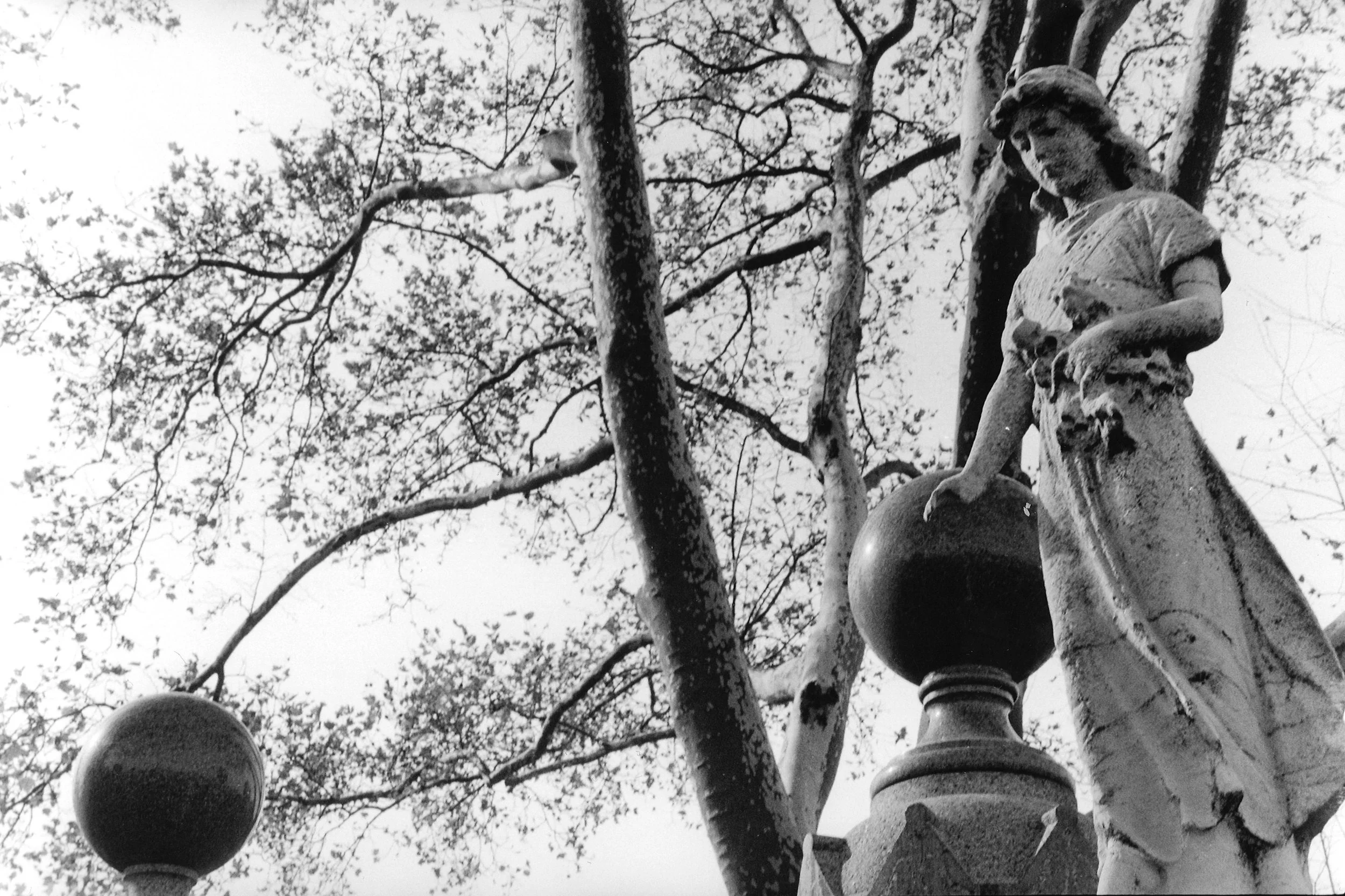
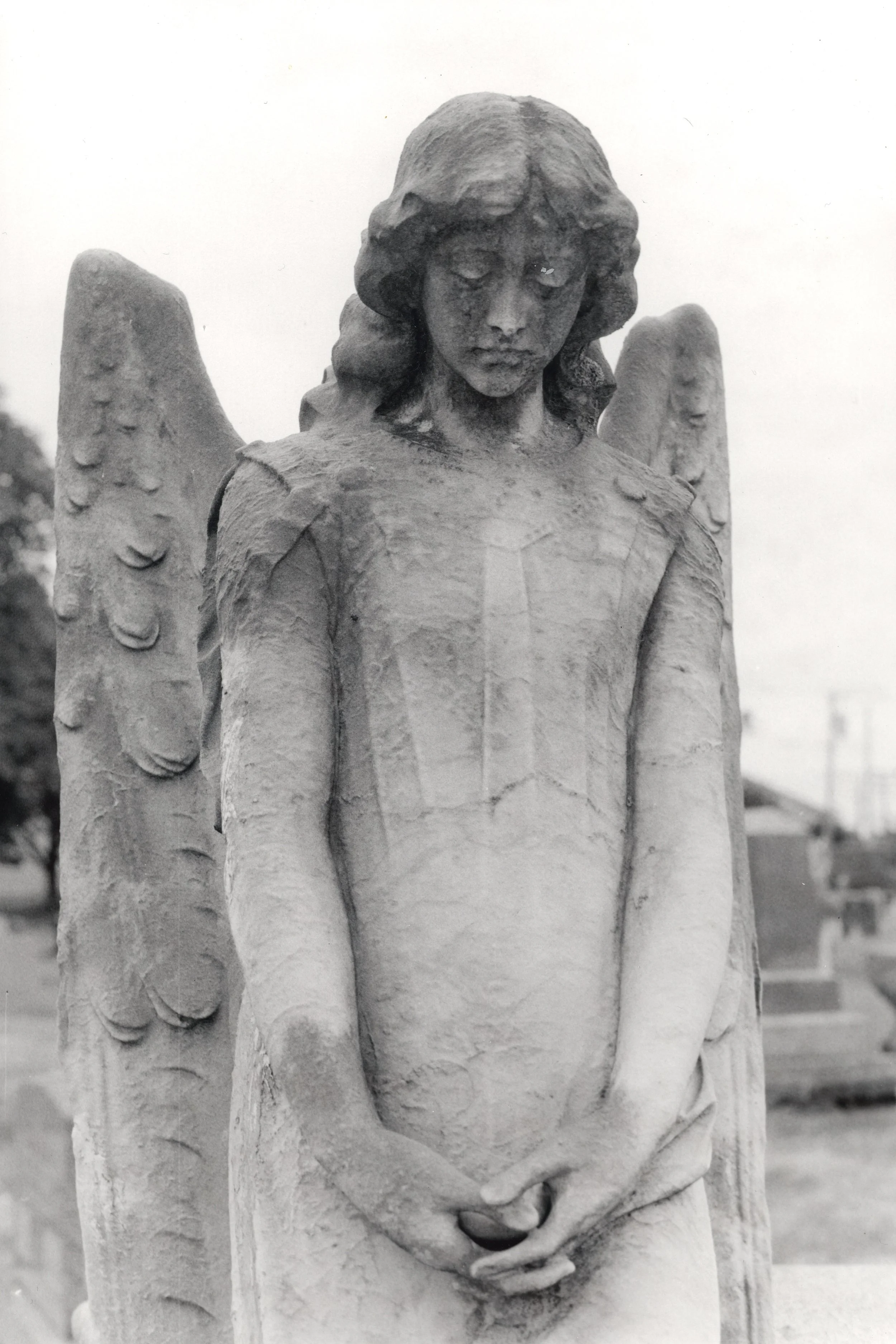
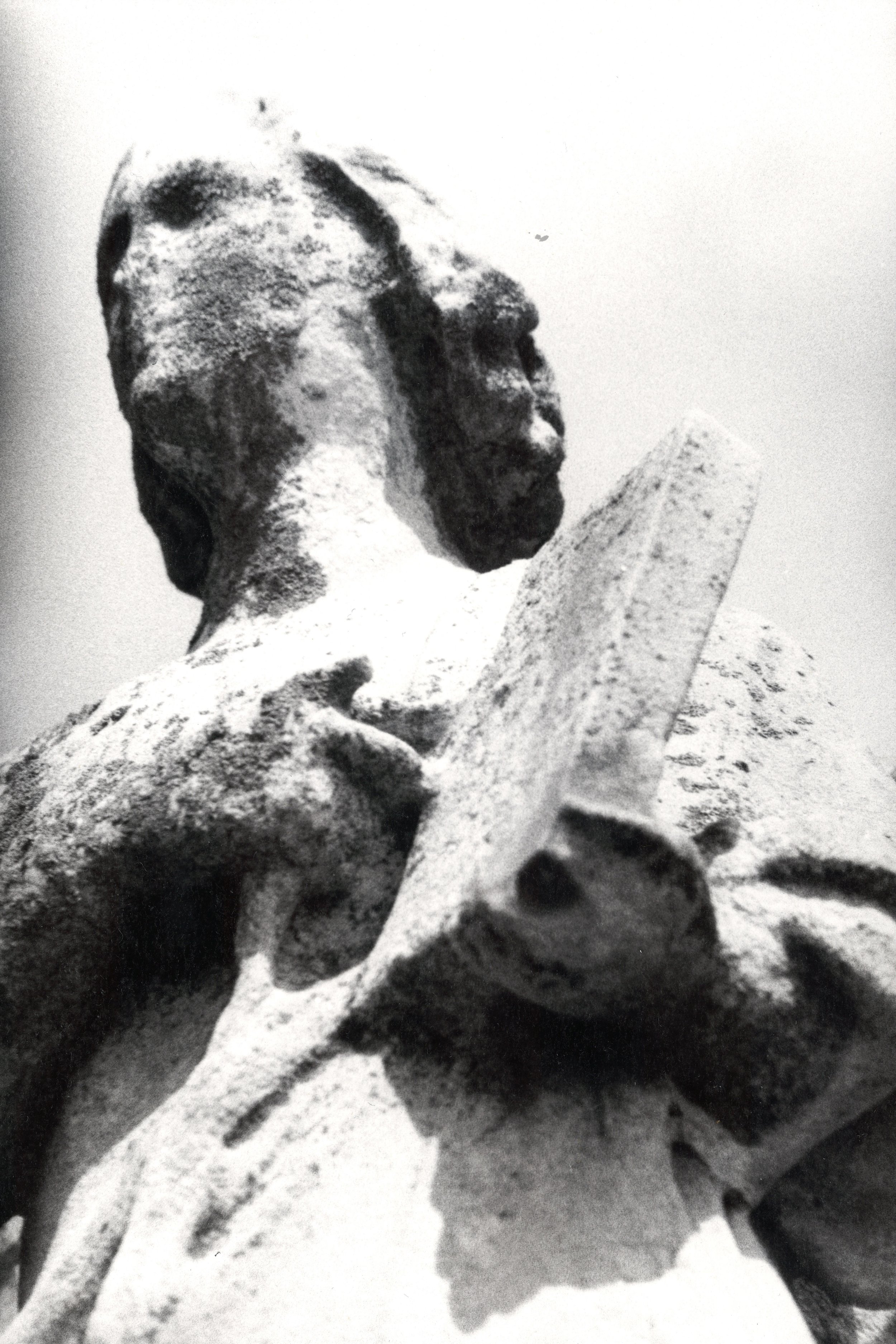
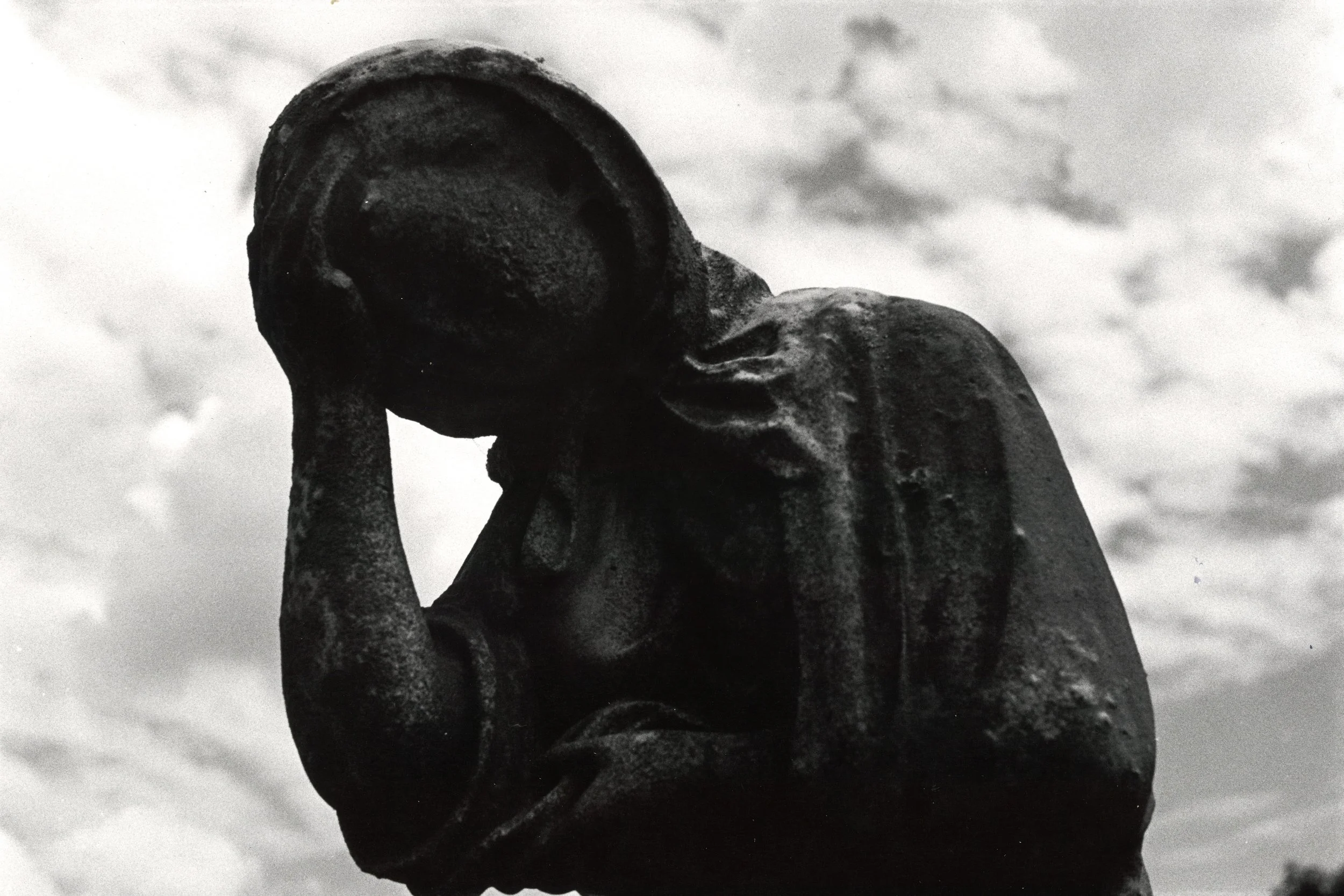
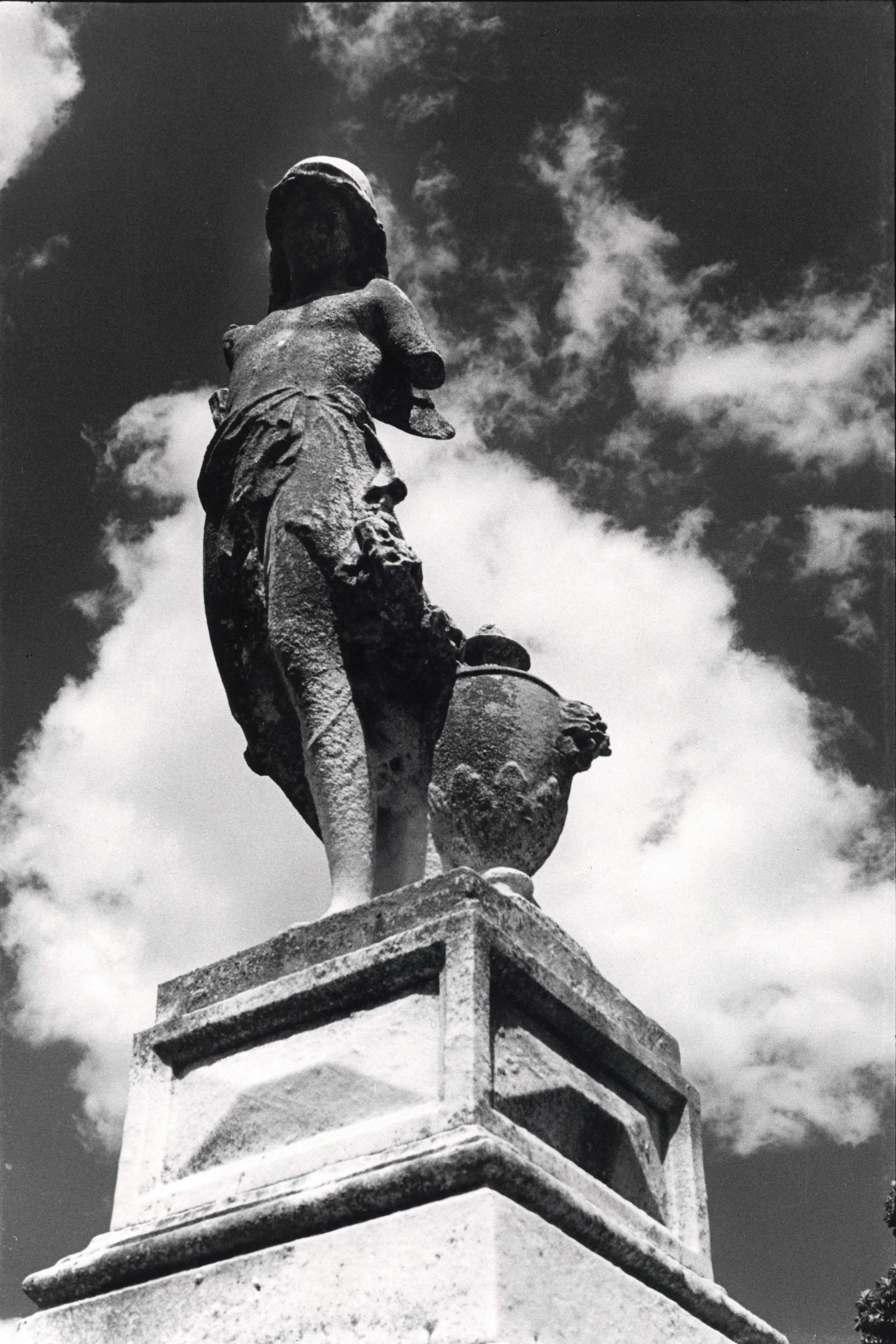
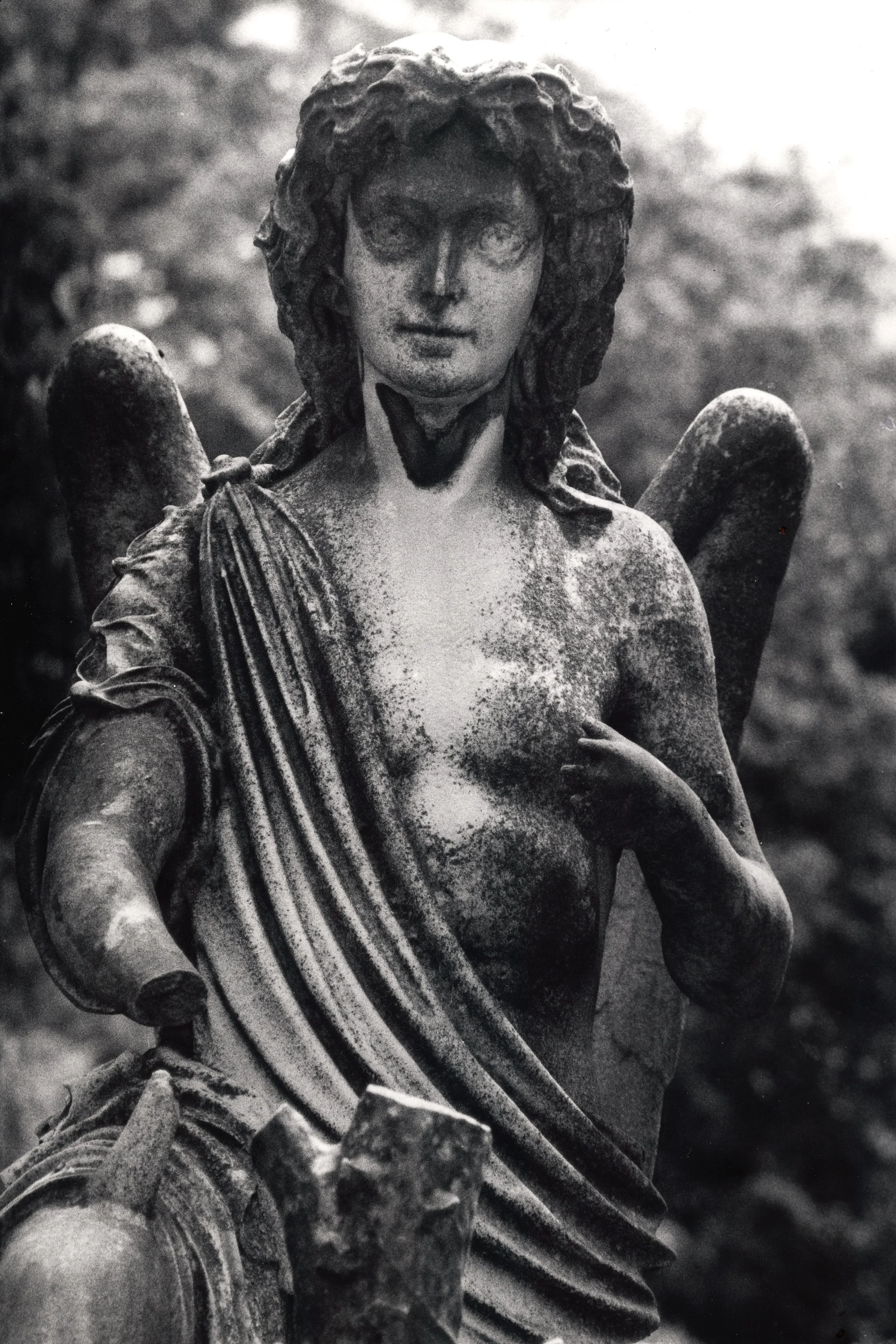
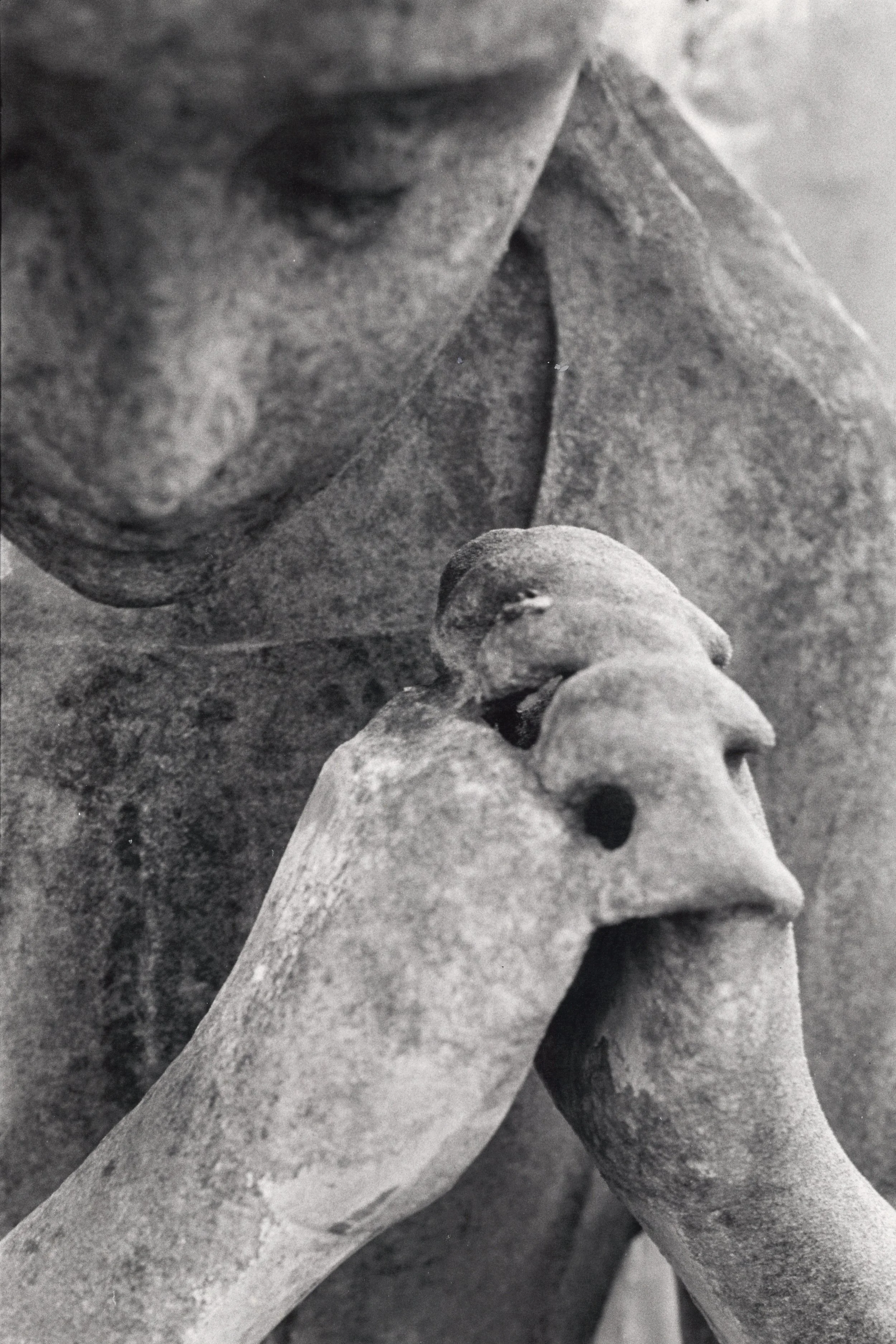
I first started photographing in cemeteries when I returned to the medium after a thirty-year hiatus, in the throes of a lengthy depressive episode. I was attracted to the statues there most of all, in poses of mourning and anguish and, more often than not, damaged and incomplete, which mirrored my own spiritual state. As time wore on, the depression subsided (or, rather, it began to subside after a long and arduous process of recovery), but my interest in photographing in cemeteries did not. It became clear that the work was about more than grief, although it was also certainly not independent from it.
I have always been drawn to cemeteries; even as a child, I would ask to visit them during my family’s innumerable vacations to historic locations from American History. I was a sensitive kid, and this wasn’t because I found them scary or spooky, because I would have avoided them had that been the case. I suppose I just found them peaceful and generally interesting, aesthetically pleasing, also, in a way that wasn’t necessarily explicitly connected to suffering.
During the pandemic, I would bring my then 4-year-old daughter to the cemetery to play since it was usually empty of other people and she could run around unperturbed, a green space in the otherwise generally grey expanse of downtown New Haven. She must have enjoyed these jaunts as well because one year she asked if she could have her birthday party in the cemetery. “I don’t think we’re allowed to do that,” I said, even though there was no good reason why we couldn’t, apart from the general social awkwardness that such an undertaking would have been bound to create. In an abstract way, it kind of even makes sense—each year brings us closer to joining the residents there, why not just acknowledge this outright?
I have been photographing in cemeteries for many years now, and I rarely encounter actual mourners. Instead, I typically encounter people walking themselves or their pets, people jogging, people eating their lunch or just sitting around contemplatively, and, of course, goth kids doing their thing—on dates or taking photos like me or just messing around. Unless it is a particularly gloomy day, cemeteries are generally pleasant spaces, well-maintained and green with flowers and trees and invariably quieter than most other public spaces in urban or semi-urban areas, removed from the relentless morbid din of capitalism. There are no advertisements in cemeteries.
The character of cemetery statuary varies significantly—it is indeed often grief-tinged or somber, but not always. Sometimes the statues are pious, peaceful, welcoming, sometimes weirdly sensual, sometimes they are just so altered by time as to be completely inscrutable. I started to think of photographing the statues like portraiture, trying to capture the individual personality of each discrete entity, without a preordained effect in mind. The subject of death is unavoidable, both contextually and due to the fact that, in most instances, all the humans associated with the project of the statue, the person being mourned, the artist who fashioned the statue, the model who presumably modeled for it (or them, since many of them seem to have been mass produced) have now ceased to exist, but they are not merely about death. They are certainly memento mori, but, like other forms of memento mori, they aren’t necessarily explicitly morbid.
Death is mundane; it is something that everyone will experience, both as mourner and the deceased. It scares us because it is unknown and is consequently banished from polite conversation. It need not be. Consider the world that might exist if humans were accustomed to regularly addressing their fear of death with each other and the commonality of that fear. Other cultures and other historical moments have been less averse to the subject of death, to their credit and also probably to their comfort. I don’t really have any other agenda for these photographs than to document these objects and spaces that are seldom visited by people in our culture. My yoga therapist says that one should think about death at least once a day, which seems obvious and good advice. My guess is that most people do, whether they are willing to admit it or not. It is my hope that these photographs might serve as an objective correlative for that process for such meditations.